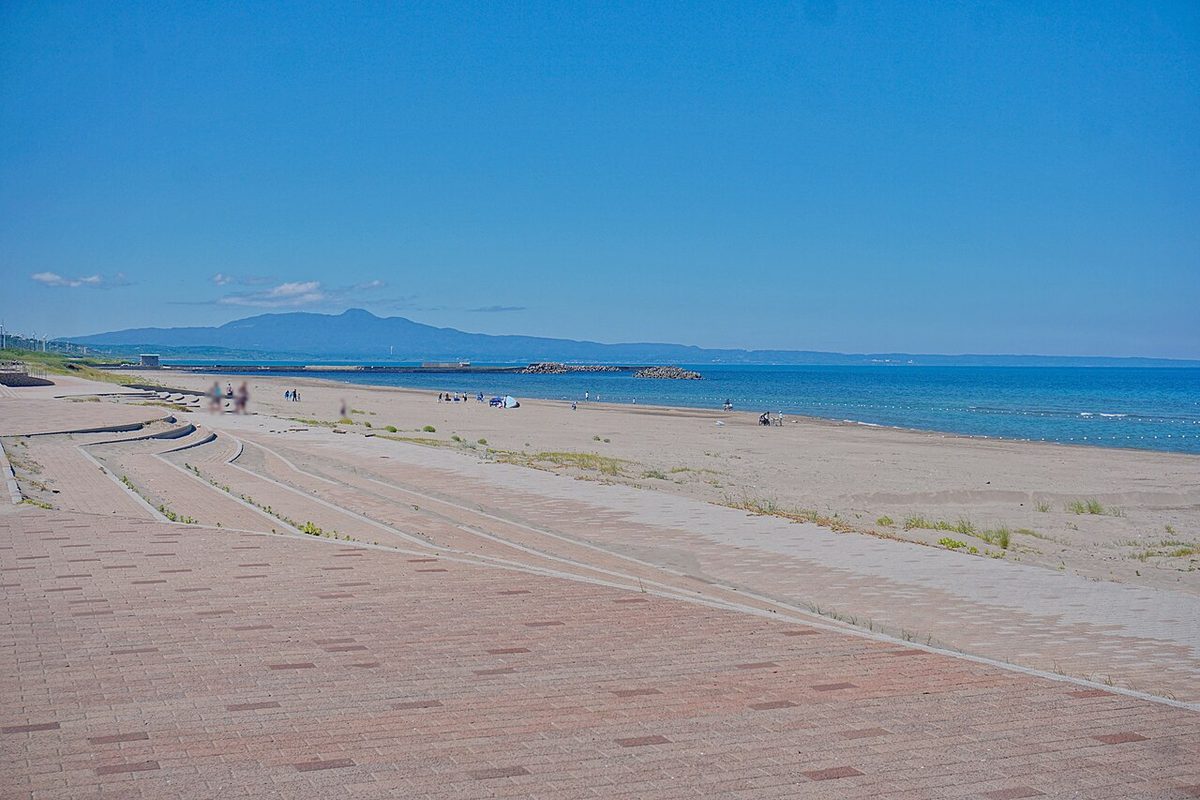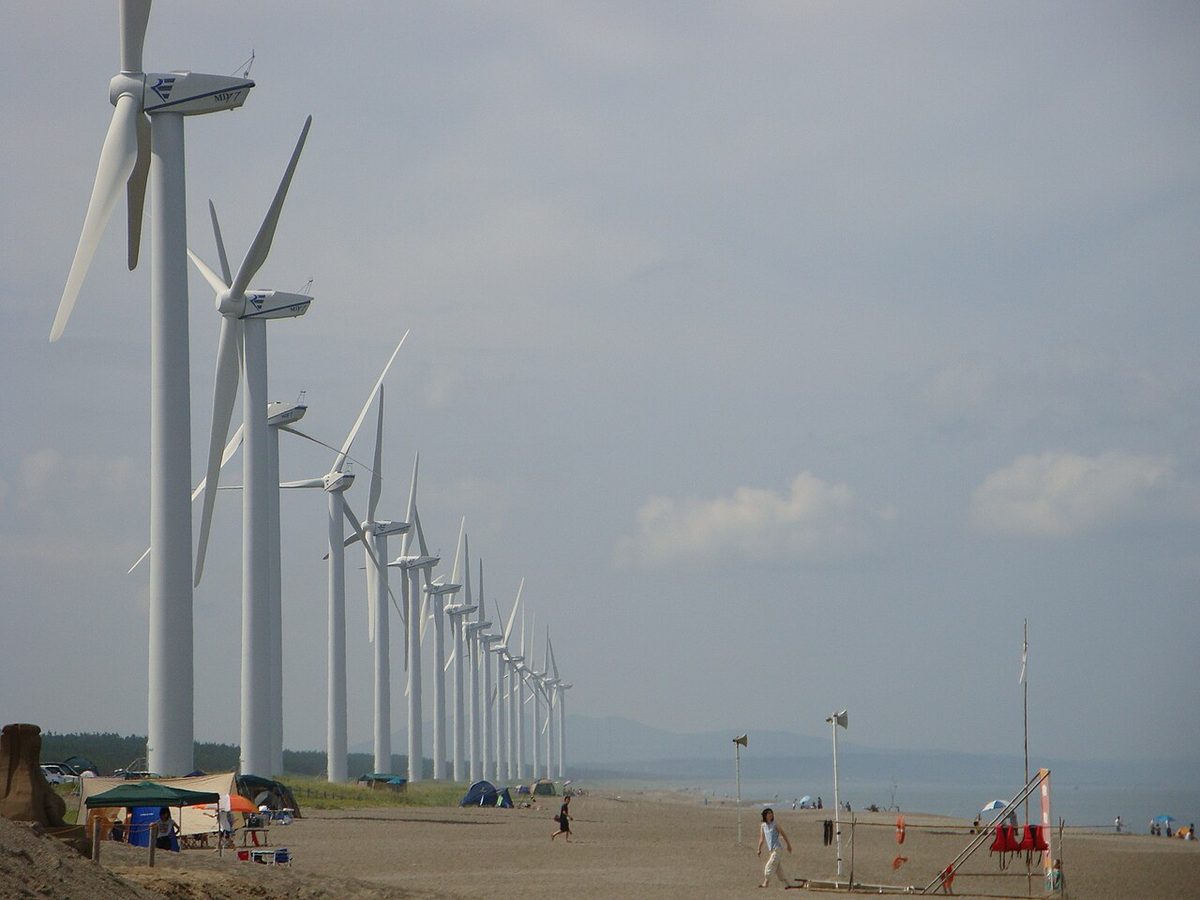
Kamayahama Beach
釜谷浜海水浴場
Mitane, AkitaBeauty ★★★★★
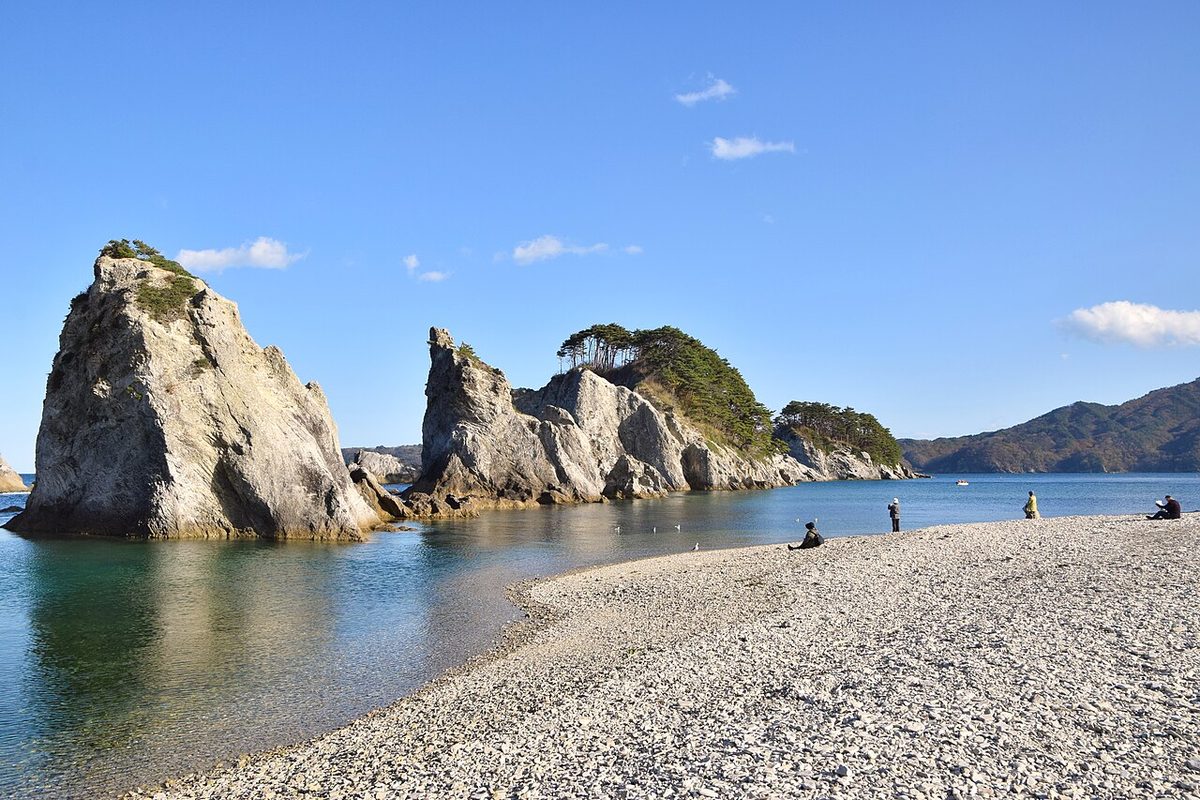
Jodogahama Beach (浄土ヶ浜海水浴場) is a bathing beach in Miyako, Iwate, in Japan's Tohoku region. In 2006 it was chosen by the Ministry of the Environment as one of the 100 Best Bathing Beaches in Japan — and named a Special selection (sea) out of only twelve beaches nationwide. The ministry's judges gave it the full five stars for cleanliness, calm, richness.
| Location | Miyako, Iwate (宮古市、岩手県) |
|---|---|
| Region | Tohoku |
| Official selection | 100 Best Bathing Beaches in Japan — Ministry of the Environment, 2006 |
| Award | Special selection (sea) |
| Coordinates | 39.65056, 141.98111 |
| Beauty | ★★★☆☆ 3/5 |
| Cleanliness | ★★★★★ 5/5 |
| Calm | ★★★★★ 5/5 |
| Gentleness | ★★☆☆☆ 2/5 |
| Richness | ★★★★★ 5/5 |
The ministry scored every beach from one to five stars on five points of view: beauty, cleanliness, calm, gentleness (safety and facilities) and richness (nature and local life).
There's Iwate Marine Sciences Museum, the country's first water industry, and from late July to August, there's been an annual "Aquarium's Biosphere," exhibiting fish and algae from and enlightening the importance of conservation for the general public. And there's "Mountain of Molewood" where you can look down at the harbor of Miyako and see many plants. In spring, there are 800 cherry blossoms that satisfy you with natural colors. The Golden Week has many visitors, including citizens, who have been watching various events during the fall, such as the "Jodogahama" with the cutting-off of the spiritual mirror. The Jodogahama View 456X is popular with the daily feeding experience of the sea cats as well as natural observation experiences by the motorboat watching and by boat loaning. The Seykayaak experience trials are also on the popular menu of the Greentooths, "Same Night Haik" and "All Around Jodogahama Tours." They provide participants with game games, quizs, natural explanations, not just landscapes, but a variety of natural experiences, such as watching and listening to plants and plants and sounds. On the Pacific Ocean, Asahi is beautiful, the coastline is beautiful, and the white boulders and barstones are sticking to the east like Nocod. The green red pine that grows on its pure white rock skin, the contrast with the blues of the sea, and the coolness of the ocean fills it with a unique landscape. It is said that the name Jodogahama was named after the mountain lake in the year of the year 1681 and 1683. The poet who represents Japan, and child author Wise, has also visited Jodogahama and sings about the landscape of the drought that is regularly lined up on white rocks. "The corrugated corrugated sea cloth will not be set aside in the presence of the." Cleaning is particularly popular among volunteer organizations in an effort to celebrate rich nature. The company that cleans Jodogahama has been founded in April of 2004 and has inherited activities such as the spread and beauty of conservation ideas. We now have more than 30 members of a business organization, and we receive support from the government, mainly from members of their own organization, and we perform year-to-year cleaning operations in natural park-cleaning operations by means of self-cleaning and trust. In addition, we have two park administrators stationed in the Jodogahama district, working on natural landscapes, on motion, and on their spread. The natural walkways in the park are kept safe and clean and provide water-free space. I can't do it. If you're on a railroad bus, you're on a bus. JR station, bus, 20 minutes to the clean beach, bus stop's down-off-off': If you're in the car, you're in the car It's about two hours since the IC in Tohoku. Jodogahama 1/2 and 3 car parking lot, 360 cars, 20 buses) to walk 10 to 15 minutes to sea bath. Miyako City Industrial Prosperation Section the Ministry of the Environment
Jōdogahama (浄土ヶ浜) (lit. 'Pure Land Beach') is a series of rock formations along the coast of Miyako Bay in the city of Miyako, Iwate Prefecture, in the Tōhoku region of northern Japan. The area is part of the Sanriku Fukkō National Park, and is a nationally designated Place of Scenic Beauty.
The area consists of groups of Paleogene period volcanic rock formations in a sandy beach area, which have been weathered by wind and rains into fantastic shapes. Together with Japanese red pine trees, the rocks form a natural version of a Japanese garden. The rock formations have inspired many fanciful names, and by the early Edo period has been identified in popular imagination with various landscape features of the Buddhist Western Paradise. The name of "Jōdogahama" was coined by a Sōtō Zen priest who toured the area in the Tenna era (1681–1684), and this name appears in the official records of Morioka Domain under the rule of Nanbu Toshitaka in 1797. The area was also popularised by the works of Kenji Miyazawa in 1917.
Formerly part of the Rikuchū Kaigan National Park from its formation in May 1955, the area was incorporated into the Sanriku Fukkō National Park after the 2011 Tōhoku earthquake and tsunami.
Beach profile and access notes: Ministry of the Environment, “100 Best Bathing Beaches” official pages (2006 selection), translated from the Japanese.
Article: “Jōdogahama”, English Wikipedia (CC BY-SA 4.0).
Photograph: Wikimedia Commons, as credited under the photo.